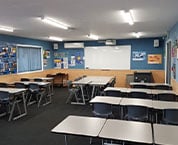
How flexible furniture from class* supports modern learning
Teaching in New Zealand schools has changed significantly over the past decade or so. While open-plan mixed teaching spaces are being replaced by traditional classrooms, rows of front-facing desks are giving way to more dynamic, student-centred learning furniture designed to support collaboration, independence, and adaptability.
As teaching styles evolve, the physical learning spaces need to keep pace – studies have shown that classroom layout and its ability to adapt is as important to good learning as student and teacher comfort are.
Creating an agile teaching space means designing an environment that can easily adapt to different teaching methods, student needs and curriculum activities. For learning institutions across Aotearoa, from primary classrooms to secondary learning hubs to tertiary suites, flexible furniture plays a central role in making that possible.
What is an agile classroom?
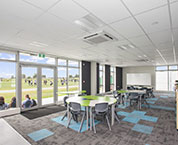
The agile classroom is a defined learning space designed to be easily reconfigured throughout the day. Rather than being fixed for one type of teaching as old-fashioned classrooms were, the room can quickly shift to support:
- Whole-class instruction
- Small group collaboration & peer support work
- Independent study
- Project-based learning
- Quiet reflection or focused work
- Digital and blended learning activities
Agile classrooms are particularly well suited to New Zealand’s increasing emphasis on student agency, collaborative learning and flexible teaching. And these agile spaces need agile furniture.
The goal is simple: create a classroom that works with teachers, not against them.
Why agile learning spaces matter in New Zealand
Many NZ schools are moving toward more adaptable teaching environments as part of broader classroom upgrades, property redevelopments and curriculum innovation. An agile classroom can help schools:
Support diverse teaching styles
No two teachers work exactly the same way, and many teachers vary their approach multiple times throughout a single day.
Agile spaces allow teachers to move seamlessly between:
- Direct instruction
- Inquiry-based learning
- Collaborative workshops
- Student-led discussions
- Technology-enabled learning
Furniture that can be rearranged quickly gives teachers greater freedom to teach how they want and get the best reaction from their students.
Improve student engagement
Students often learn better when they can move, interact, and choose how they work. Agile spaces and furniture help support:
- Increased collaboration & peer support
- Better focus and concentration
- Greater comfort and wellbeing
- More student ownership of learning
Providing different seating and workspace options can help meet a wider range of learning preferences and needs.
Make better use of classroom space
Classrooms are often expected to serve multiple purposes throughout the school day. Agile design helps maximise every square metre by enabling rooms to function as:
- Teaching spaces
- Breakout zones
- Presentation areas
- Quiet corners
- Maker-Space zones
- Group project hubs
In this way, the same room can support many activities without needing permanent layout changes.
Key furniture elements of an agile classroom
Mobile student desks
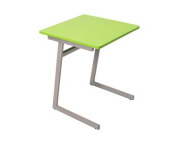
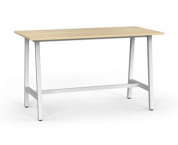
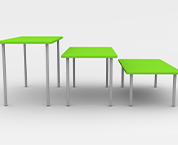
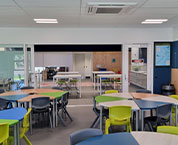
Lightweight, movable desks allow teachers and students to quickly shift from individual work to paired or group activities. Our range of Buddy desks and student tables is well known and used throughout New Zealand, offering you a range of shapes, sizes, colourways and leg options that will fulfill any purpose.
Shapes that combine easily into clusters
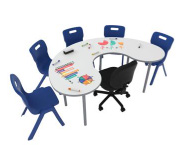
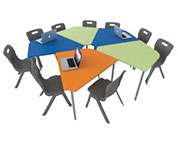
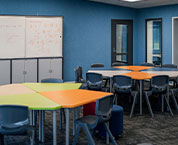
Trapezoid, curved, and modular tables are especially popular in NZ schools for their versatility. The Buddy Pie table is one of our biggest sellers thanks to it being really versatile, cost-effective and easy to move around. In fact, since the switch back to more traditional classrooms, we’ve seen a big uplift in using ½ round tables together with rectangular tables.
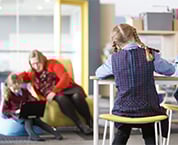
Flexible seating options
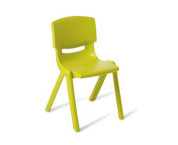
Not every student learns best in the same chair, and studies have shown that comfort plays a major part in how well kids learn. You can read more here.
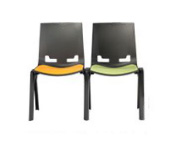
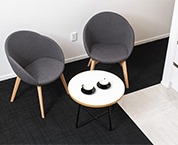
A mix of seating will allow students to select their preferred way of sitting and support comfort and engagement These include:
- Standard ergonomic chairs
- Height-adjustable seating
- Soft seating like beanbags
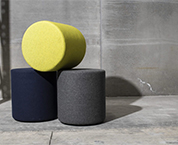
- Stools for quick collaboration
- Wobble stools for kinaesthetic learners
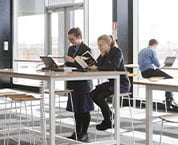
- Leaner tables
Offering these choices improves participation and helps support diverse learners.
Mobile teacher stations
Rather than being anchored at the front of the room, teachers benefit from furniture that allows movement. Mobile teacher stations help educators work alongside students and adapt their teaching position throughout the day.
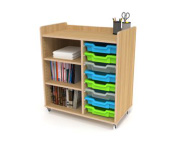
Storage that moves with the classroom
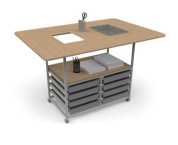
Portable storage keeps resources accessible to students without limiting the space’s flexibility. We stock a comprehensive range of these units in a variety of colourways that will make a learning space more agile in the blink of an eye:
Good storage helps teaching sessions go more smoothly and makes learning space transition faster and easier.
Breakout and collaboration zones
Dedicated small-group spaces can improve teamwork and reduce noise disruption.
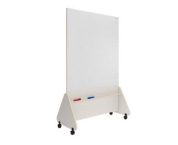
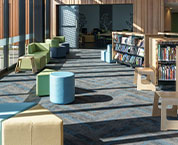
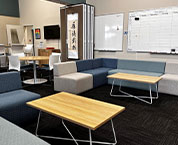
Furniture like soft seating, whiteboard tables and room dividers can help create informal breakout areas within the classroom itself.
Practical tips for schools planning an agile classroom upgrade
Start with teaching goals
Before choosing furniture, consider how teachers want to use the space. Good questions to ask are:
- From roll call to knock off, what takes place within every hour of the day?
- How often will the room layout change?
- What types of learning happen most often?
- Do students need more collaboration areas or quiet spaces?
- Are there accessibility or inclusion considerations?
The furniture you choose should support pedagogy, not dictate it.
Prioritise durability
School furniture needs to withstand daily use. All our products are designed specifically for educational environments, with:
- Strong warranties
- Easy-clean finishes
- Robust construction
- Repairable components
Investing in quality reduces long-term replacement costs and is more cost-effective in the long run than buying based solely on a lower price first time around.
Get teacher and student input
The people using the classroom every day often have the best insights. Gathering feedback before making purchase decisions helps ensure that the final design works in practice.
Think long-term flexibility
Teaching styles and curriculums will continue to evolve, which means more changes ahead. Functional furniture that can adapt over time gives schools better value and future-proofs their investment.
Agile classrooms are an investment in better learning
Creating agile classrooms is not just about buying modern furniture. It’s about giving teachers and students the flexibility to thrive in a changing educational landscape.
The most effective classrooms are the ones that can change as easily as teaching does. For New Zealand schools that embrace innovative teaching approaches, agile classroom furniture can make a meaningful difference to engagement, wellbeing and learning outcomes.
Agile Classroom FAQs
What is an agile classroom?
An agile classroom is a flexible space designed to adapt to different teaching styles, student needs, and classroom activities. It typically includes movable furniture, modular layouts, and collaborative spaces that can be easily reconfigured throughout the day.
How does flexible classroom furniture support teaching?
Flexible furniture allows teachers and students to quickly rearrange the classroom for group work, independent study, presentations, or discussions. This supports active learning, collaboration, and greater student engagement.
Why are agile classrooms becoming more popular in schools?
As teaching methods evolve to become more student-centred, schools need learning spaces that can support collaboration, creativity, and adaptability. Agile classrooms help educators deliver more dynamic and inclusive learning experiences.
What are the key features of an agile learning space?
Common features include:
- Mobile desks and chairs
- Modular seating arrangements
- Multifunctional & mobile storage
- Collaborative breakout areas
- Quiet spaces for focused work
- Technology-friendly layouts
- Furniture to accommodate all learning types
- Furniture designed for comfort and movement
How do agile classrooms improve learning?
Research suggests that adaptable classroom layouts can positively impact student engagement, participation, comfort, and academic performance by giving learners more choice in how and where they work.
Do agile classrooms work for all age groups?
They sure do! Agile classroom design can benefit learners of all ages, from primary schools to secondary schools and tertiary education settings. Furniture and layouts can be tailored to suit different developmental needs.
How do teachers benefit from flexible classroom design?
Teachers can easily adjust the space to suit different lesson plans, teaching methods, and student groupings. This makes it easier to transition between lectures, collaborative tasks and independent learning activities.
What types of furniture are best for creating the agile classroom?
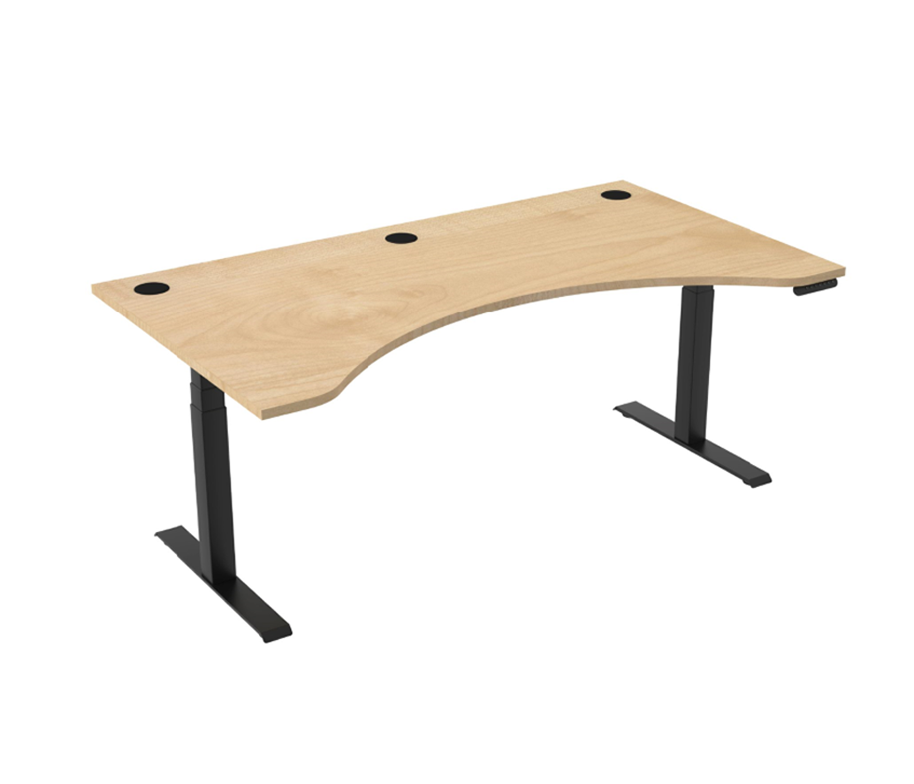
Popular options include lightweight desks, stackable chairs, whiteboard tables, soft seating, standing desks and modular storage solutions that can be moved or reconfigured as needed.
Do agile classrooms suit traditional teaching methods too?
Absolutely! Agile classrooms support both traditional instruction and modern collaborative learning, allowing teachers to switch between formats without disruption.
How can schools transition to agile classrooms?
Start small by introducing the right furniture, evaluating how spaces are used and involving teachers and students in planning layouts that best support learning outcomes.
Do agile classrooms require large open-plan spaces?
No. Smaller or traditional classrooms can be transformed into agile learning spaces through smart furniture choices and flexible room arrangements.
What should schools consider when designing agile learning environments? Important things include student comfort, accessibility, durability, classroom size, acoustics, technology integration, and how easily the space can adapt to changing educational needs.