






Why size really matters
When schools invest in classroom furniture, it’s easy to focus on durability, design and budget. But one of the most important and often overlooked factors is getting the furniture size right for the students who use it every day.
In New Zealand classrooms, this matters more than ever.
Why? Because Kiwi kids don’t all fit neatly into age-based averages. In a single Year 6 classroom, you might have one child who still looks like they belong in Year 3 and another who’s already taller than some adults!
Choosing age-appropriate school furniture isn’t simply about matching chairs and tables to year levels; it’s about creating a learning environment where every student can sit comfortably, focus properly and learn effectively.
As our team will tell you: it’s always better to choose what suits taller, bigger students than to try and get everything exactly right.
Why furniture size affects learning
Students spend a significant part of their school day sitting, writing, reading, and collaborating. If their furniture doesn’t fit, it can create a range of problems:
Poor posture and discomfort: Feet dangling from chairs, knees pressed too high, or desks that are too low can all contribute to back, neck, and shoulder strain.
Reduced concentration: When students are physically uncomfortable, their attention shifts from learning to simply trying to get comfortable.
Fatigue and fidgeting: Improperly sized furniture can increase movement, distraction, and restlessness.
Long-term ergonomic issues: Good sitting habits start early. Classroom furniture plays a key role in supporting healthy development.
Research confirms that appropriately sized furniture can enhance concentration and improve learning outcomes.
Why NZ schools need to think beyond age brackets
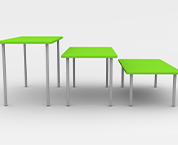
Traditional school furniture guides often assign sizes based on age or year level, and that’s a useful starting point. These general measurements will give you an idea of what is needed – you can see our height guide in full detail here.
| Student Year Level | Typical Age Range | Recommended Seat Height | Recommended Table Height | Why It Matters |
| Preschool | 3–5 years | 310mm | 525mm | Supports early posture development and helps young children sit safely and comfortably. |
| Years 1–2 | 5–7 years | 350mm | 575mm | Encourages correct writing posture and allows feet to rest flat on the floor. |
| Years 3–4 | 7–9 years | 380mm | 625mm | Helps growing students maintain focus and reduces fidgeting caused by discomfort. |
| Years 5–6 | 9–11 years | 410mm | 675mm | Important for accommodating rapid growth differences, especially among taller students. |
| Years 7–13+ | 11–18 years | 450mm | 725mm | Provides ergonomic support for older students and suits a wide range of body sizes. |
Quick sizing tip:
Age is a guide but height should be the final deciding factor. In many New Zealand classrooms, students of the same age can vary significantly in size. When in doubt, it’s often better to choose furniture that accommodates larger or taller students, or invest in height-adjustable furniture for greater flexibility.
And there’s the challenge: children don’t all grow at the same pace.
In Aotearoa’s wonderfully diverse school communities, students may vary significantly in height, body shape and physical development, even within the same classroom. Genetics, cultural backgrounds, nutrition and individual growth patterns all play a part.
That means a “standard” Year 5 chair may fit some students perfectly while leaving others cramped or barely touching the floor.
Bigger students shouldn’t be an afterthought
One of our most practical recommendations is to size furniture for the bigger students whenever possible.
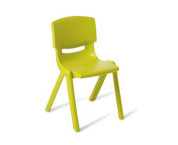
That may sound odd, but a slightly larger chair or desk can often still work well for smaller children. On the other hand, furniture that’s too small for larger students can quickly become uncomfortable, restrictive and even make them feel embarrassed.
A useful checklist is:
- Can students place both feet flat on the floor?
- Are knees bent at roughly 90 degrees?
- Do elbows sit comfortably at desk height?
- Is there enough room to move and shift naturally?
If the answer could be “no” for a significant number of students, it may be time to rethink furniture sizing.
Height-adjustable furniture: a quick way to comfort
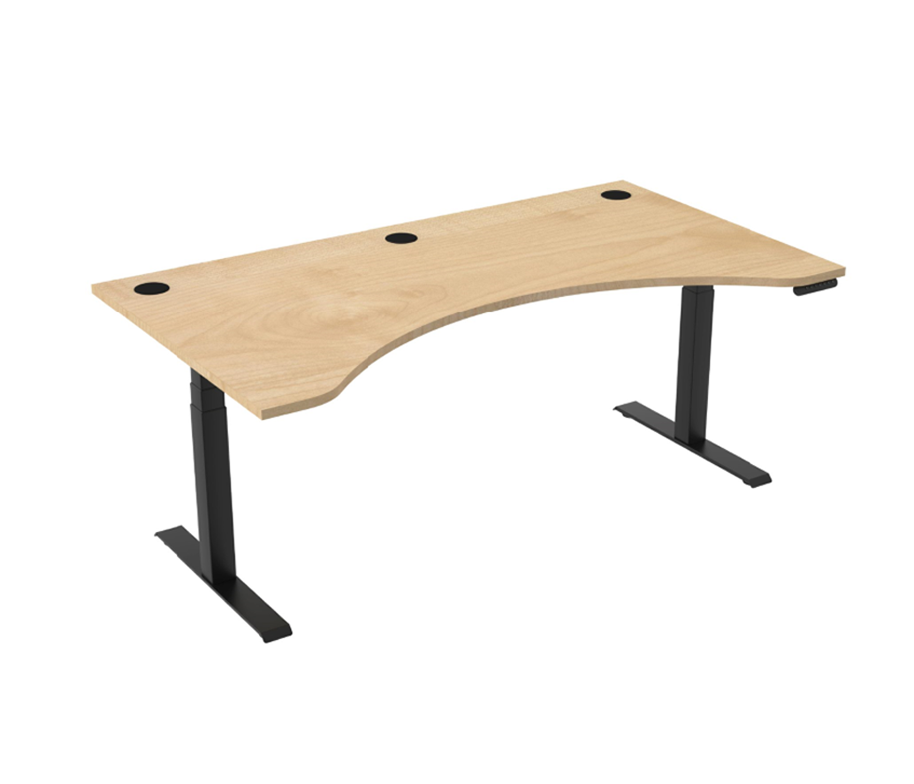
Because of the above, many NZ schools are moving towards adding some height-adjustable furniture to a classroom because it helps both bigger and smaller students get comfortable quickly. Height adjustable tables in particular are really handy for this.
Adjustability allows classrooms to adapt to:
- mixed-age learning spaces
- rapid student growth
- flexible teaching styles
- standing and active learning preferences
This flexibility is especially valuable in modern teaching spaces, where students may work in multiple zones throughout the day. Adjustable (or as we like to call it, agile) furniture helps future-proof your investment while supporting every learner more effectively.
Getting the chair-to-table ratio right
Choosing the correct chair height is only half the equation.
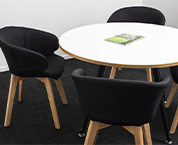
The relationship between the chair and desk height is just as important. A well-sized chair paired with a desk that’s too high can still create shoulder strain and poor writing posture.
In our opinion, getting the ratio between chair/table heights correct is every bit as important as getting the right height of tables and chairs.
Think of furniture as a system, not separate pieces.
Small sizing decisions, big learning impact
Furniture might seem like a background detail, but it directly affects how students feel and function every day. When schools choose age-appropriate, properly sized furniture, they’re investing in:
- better concentration
- improved posture
- increased comfort
- more inclusive classrooms
- stronger learning outcomes
In NZ schools, where one classroom can include students of dramatically different sizes, the best approach is to be flexible, thoughtful and student-centred.
Before your next furniture purchase, check your measurements against our guide (or get in touch for advice) and remember: the right fit really does make all the difference!
Age-appropriate furniture FAQs